

The gaming industry moves fast—one surprise patch, one meta shift, or one wave of video game studio acquisitions can completely reshape the landscape overnight. If you’re here, you’re likely trying to make sense of the latest industry buzz, understand how core mechanics are evolving, or sharpen your competitive edge in esports and multiplayer strategy.
This article breaks down what’s actually happening beneath the headlines. We’ll examine how acquisition trends are influencing game design priorities, how multiplayer engines are adapting to new performance demands, and what strategic shifts competitive players should be watching closely. You’ll also find practical insights, from controller setup optimization to understanding the mechanics that separate balanced gameplay from broken metas.
Our analysis is grounded in deep industry tracking, competitive gameplay research, and ongoing technical evaluation of multiplayer systems—so you’re not just getting opinions, but informed insights you can apply immediately.
Beyond the Hit Title: The New Rules of Studio Acquisition
Acquiring a studio isn’t just buying intellectual property (IP, meaning the legal rights to characters, code, and worlds). Instead, it’s investing in talent, proprietary engines, and creative culture for long-term advantage. In other words, you’re betting on future gameplay loops—the repeatable actions that keep players hooked—not past sales charts.
Too often, video game studio acquisitions fail because buyers chase yesterday’s blockbuster. However, past success can mask fragile multiplayer architecture or burnout behind the scenes. When integration ignores pipeline tools and team dynamics, talent walks (and creativity goes with it).
Framework.
Blueprint for Acquisition: Aligning Strategy with Targets
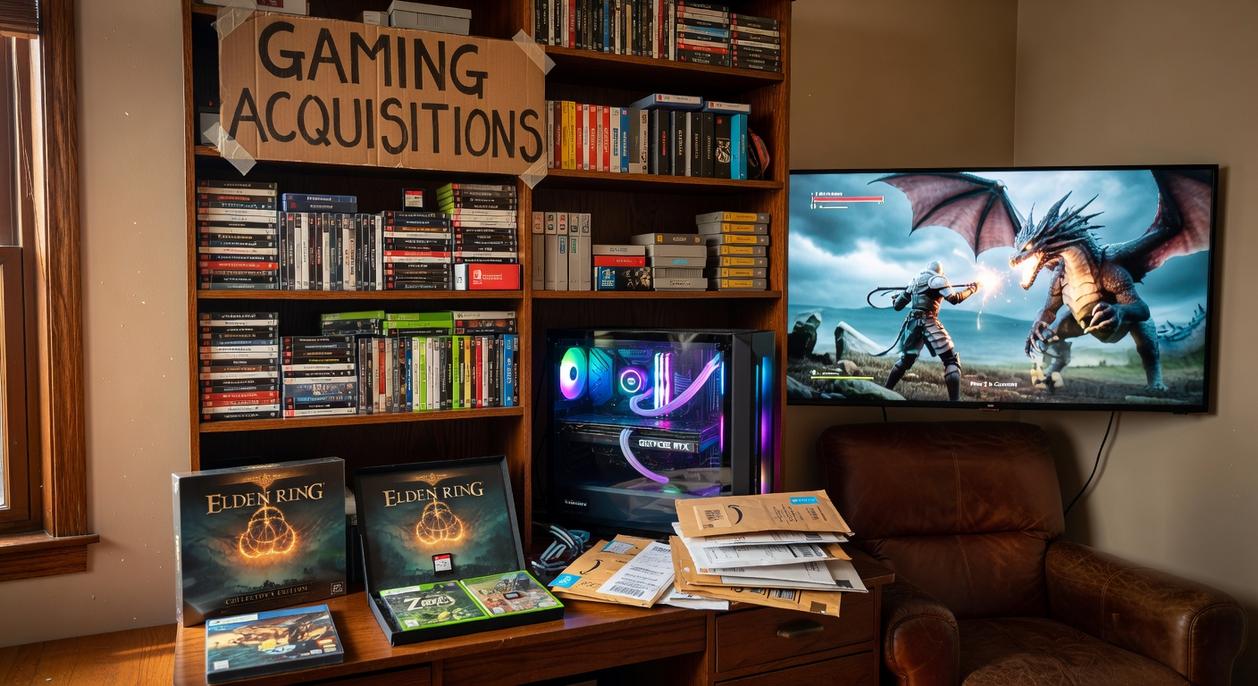
Before you even glance at a pitch deck, start with your “why.” In other words, what problem are you trying to solve? Are you acquiring for intellectual property (IP, meaning legally owned characters, worlds, or systems), elite talent, proprietary tech like a multiplayer engine, or clean market entry into mobile or esports? Be specific. If your goal is vague growth, you’ll chase shiny objects (and probably overpay).
Next, widen your lens when identifying potential studios. Revenue matters, of course, but it’s not the whole story. Instead, prioritize studios with:
- Strong core mechanics (the repeatable gameplay systems that keep players engaged).
- A dedicated community that drives organic retention and word-of-mouth.
- A scalable development pipeline that consistently ships updates without chaos.
Studios with modest earnings but obsessive fan bases can outperform trend-driven hits in the long run. Think cult classic versus flash-in-the-pan.
However, strategy doesn’t stop at product. Conduct a rigorous talent audit. Evaluate leadership stability, the vision of lead designers, and the technical depth of senior engineers. Crucially, confirm whether key talent is contractually locked in post-acquisition. Otherwise, you risk buying a shell while the real value walks out the door (yes, it happens more than you’d think).
Finally, assess genre and platform synergy. Does their FPS level design expertise strengthen your weak competitive portfolio? Does their RTS balancing discipline sharpen your live-service strategy? The smartest video game studio acquisitions close capability gaps, not just revenue gaps.
In short, align purpose, product, people, and platform. If even one pillar wobbles, reconsider. Strategic fit beats headline hype every time.
The Deep Dive: Technical and Cultural Due Diligence
Before signing anything, start with the engine. Is the studio running a proprietary engine (built in-house) or licensed tech like Unreal or Unity? A proprietary engine can be a competitive moat—tailored tools, optimized pipelines, fewer royalty fees. However, it can also become technical debt if documentation is weak or only one senior engineer truly understands it (a red flag bigger than a day-one patch). I recommend commissioning a third-party code audit to evaluate scalability, modularity, and build stability. If they’re on licensed tech, assess how efficiently they’ve customized it—and whether upgrades will break half the toolchain.
Next, scrutinize multiplayer and backend infrastructure. For any online title, this is non-negotiable. Analyze netcode (how game data syncs between players), server architecture (cloud-based, hybrid, or on-prem), and anti-cheat systems. If leadership claims esports ambitions, demand stress-test data and concurrency benchmarks. Fortnite didn’t scale by accident (Epic Games documentation highlights years of backend iteration). Pro tip: request live incident reports from the past 12 months to see how outages were handled.
Then conduct an IP health check. Is the franchise creatively exhausted, or does it have sequel and transmedia potential? Look at engagement metrics, modding communities, and cross-platform demand—especially in light of the rise of cross platform play and what it means for gamers. A strong IP should adapt, not stagnate.
Finally—and most critically—assess cultural fit. Many video game studio acquisitions fail due to culture clash. Interview team leads. Observe sprint reviews. Gauge tolerance for corporate oversight. If creativity thrives on autonomy, heavy-handed integration will backfire. My recommendation: preserve what works culturally, standardize only what must scale, and align incentives early. Culture isn’t fluff—it’s production velocity in disguise.
The first 100 days after an acquisition feel less like flipping a switch and more like grafting two living trees together. If you bind them too tightly, you stunt growth. Too loosely, and they never truly connect.
Preserving Creative Autonomy
First, protect the creative spark. Think of the studio as a high-performance engine: you don’t replace the pistons mid-race just because you bought the car. Instead, provide better fuel—resources, funding, marketing reach—while setting clear performance mandates. Define what success looks like (milestones, quality bars, release windows) but leave room for how teams get there. After all, rigid execution plans can suffocate originality faster than any budget cut. Some argue tighter control ensures ROI. However, overcorrecting risks turning bold creators into cautious employees—and that’s rarely why acquisitions happen.
Technical Integration Roadmap
Next, treat tech integration like merging two skill trees. Map overlaps in engines, pipelines, and toolchains, then prioritize knowledge-sharing sprints between engineering teams. Rather than forcing one stack to dominate, identify best-in-class systems from both sides. In video game studio acquisitions, the biggest gains often come from cross-pollination, not replacement. Meanwhile, document everything. Shared repositories and sandbox environments reduce friction and build trust.
Communication is the multiplayer lobby holding it all together. Address fears about layoffs or canceled projects immediately and transparently. Silence breeds rumors; clarity builds confidence.
Finally, secure an early win—a contained feature launch or performance optimization milestone. Like beating the first boss, it proves the party works together and sets momentum for the campaign ahead.
An acquisition isn’t a trophy—it’s a multiplier.
Like assembling the Avengers, success depends on how the team works together, not just who’s on roster.
The real danger? Mishandled integration that erases the magic you paid for.
History shows many video game studio acquisitions stumble when talent walks and cultures clash (Harvard Business Review, 70–90% of mergers fail).
The only durable path forward is meticulous focus: protect talent, align tech stacks, and blend culture.
Integration is strategy, not admin.
Build your checklist—people, pipelines, platforms.
Treat it like a final boss fight: prepare, coordinate, execute.
Do that and turn risk into empire.
Level Up Your Strategy in Today’s Gaming Landscape
You set out to understand the forces shaping the modern gaming industry—from competitive esports strategy to smarter multiplayer engine optimization and the ripple effects of video game studio acquisitions. Now you have a clearer view of how these moving parts connect and why they matter to your gameplay, development choices, or investment decisions.
The gaming world moves fast. New mechanics redefine player expectations. Engine upgrades shift performance standards. video game studio acquisitions reshape franchises overnight. Falling behind means missing opportunities—whether that’s a competitive edge, a smarter build, or a better strategic bet.
The next step is simple: stay ahead of the curve. Dive deeper into multiplayer optimization techniques, refine your controller setup for peak performance, and track industry shifts before they hit the mainstream.
If you’re serious about mastering the evolving game landscape, don’t settle for surface-level insights. Get expert breakdowns, actionable strategies, and real-world analysis trusted by competitive players and industry watchers alike. Start sharpening your edge today.
 There is a specific skill involved in explaining something clearly — one that is completely separate from actually knowing the subject. Ardath Biblecons has both. They has spent years working with civiliden multiplayer engine analysis in a hands-on capacity, and an equal amount of time figuring out how to translate that experience into writing that people with different backgrounds can actually absorb and use.
Ardath tends to approach complex subjects — Civiliden Multiplayer Engine Analysis, Controller Setup Hacks, Core Gaming Mechanics and Tips being good examples — by starting with what the reader already knows, then building outward from there rather than dropping them in the deep end. It sounds like a small thing. In practice it makes a significant difference in whether someone finishes the article or abandons it halfway through. They is also good at knowing when to stop — a surprisingly underrated skill. Some writers bury useful information under so many caveats and qualifications that the point disappears. Ardath knows where the point is and gets there without too many detours.
The practical effect of all this is that people who read Ardath's work tend to come away actually capable of doing something with it. Not just vaguely informed — actually capable. For a writer working in civiliden multiplayer engine analysis, that is probably the best possible outcome, and it's the standard Ardath holds they's own work to.
There is a specific skill involved in explaining something clearly — one that is completely separate from actually knowing the subject. Ardath Biblecons has both. They has spent years working with civiliden multiplayer engine analysis in a hands-on capacity, and an equal amount of time figuring out how to translate that experience into writing that people with different backgrounds can actually absorb and use.
Ardath tends to approach complex subjects — Civiliden Multiplayer Engine Analysis, Controller Setup Hacks, Core Gaming Mechanics and Tips being good examples — by starting with what the reader already knows, then building outward from there rather than dropping them in the deep end. It sounds like a small thing. In practice it makes a significant difference in whether someone finishes the article or abandons it halfway through. They is also good at knowing when to stop — a surprisingly underrated skill. Some writers bury useful information under so many caveats and qualifications that the point disappears. Ardath knows where the point is and gets there without too many detours.
The practical effect of all this is that people who read Ardath's work tend to come away actually capable of doing something with it. Not just vaguely informed — actually capable. For a writer working in civiliden multiplayer engine analysis, that is probably the best possible outcome, and it's the standard Ardath holds they's own work to.