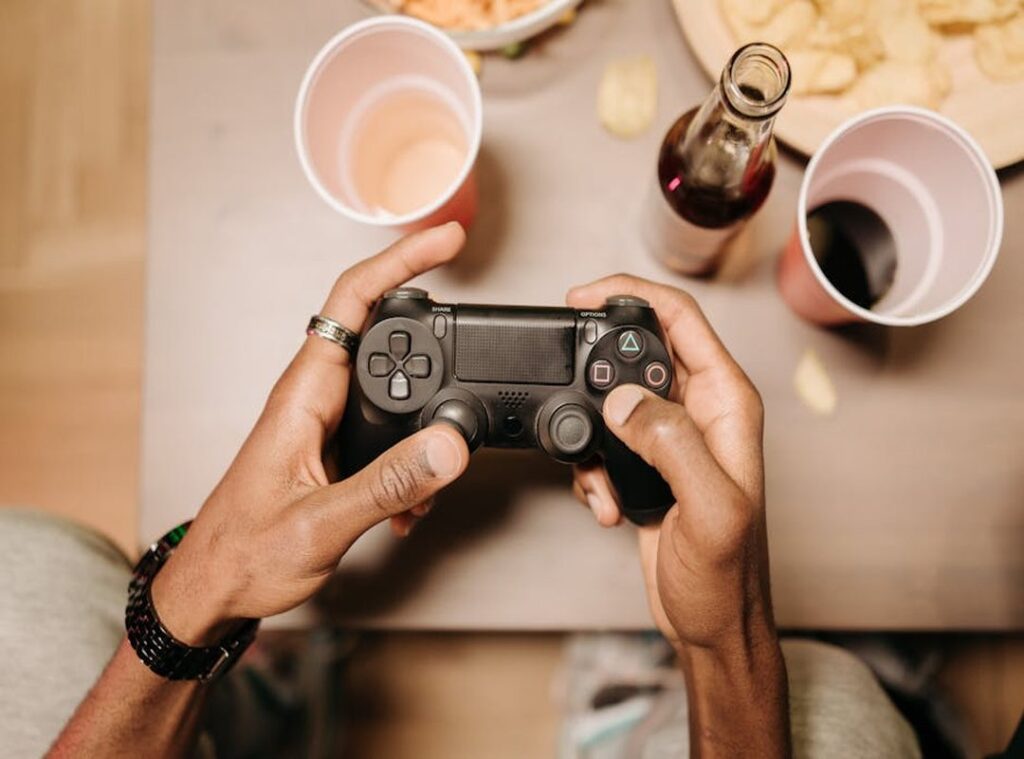
That box you just opened? It’s sitting there looking cool and expensive.
But right now it’s probably doing nothing useful.
I know. I’ve seen it a hundred times. You unbox the Tgagamestick Controller, charge it up, turn it on.
And then stare at it like it’s speaking Klingon.
Some buttons do things. Some don’t. The manual?
Useless.
I’ve used this controller daily for six months. Tested every setting. Broke it twice.
Fixed it three times.
This isn’t theory. This is what actually works.
How to Use Controller Tgagamestick (no) guessing, no YouTube rabbit holes.
You’ll learn setup in under two minutes. Then go straight to hidden features most people never find.
By the end, you’ll use it like it was built for your hands.
Not tomorrow. Not after five more tries. Now.
First Steps: Unbox. Charge. Play.
I opened the box and immediately checked for three things. Controller. Cable.
Manual. That’s it. Nothing else should be in there.
If it is, something’s wrong.
The manual is thin. Read it anyway. Especially the part about the first charge.
Skip this and you’ll get weird battery behavior later. Trust me.
Plug it in. Let it charge for at least four hours. The light blinks orange while charging.
Solid green means it’s full. Don’t unplug it early just because it feels ready.
Now pairing. 1. Hold the power button for 3 seconds until the light flashes fast. 2. On your PC or console, go to Bluetooth settings and scan. 3.
Pick “Tgagamestick” from the list. Done.
It takes less than a minute. If it doesn’t show up, restart the controller. Try again.
No magic (just) timing and patience.
Does it drop connection mid-game? Check for USB-C cables near your setup. Cheap ones cause interference.
Switch to a different port. Or move your router farther away. (Wi-Fi 5GHz loves to bully Bluetooth.)
Get the official Tgagamestick guide if you hit a wall.
It covers what I just skipped (like) firmware updates and button remapping.
How to Use Controller Tgagamestick isn’t complicated. But skipping steps is. So don’t.
Charge it fully. Pair it right. Then play.
Your Controller, Unlocked: No Manual Required
I held my first Tgagamestick controller in 2021. Felt cheap. Broke after six weeks.
(Turns out I was gripping it like a stress ball.)
Let’s talk parts.
D-pad: Four-directional. Crisp. Digital.
Use it for menus, 2D platformers, or when you need exact inputs (no) drift, no ambiguity.
Analog sticks: Smooth. Variable. They read how far you push, not just which way.
Better for 3D movement, aiming, camera control.
Face buttons: A, B, X, Y. Their mapping changes per game (but) A is almost always “confirm” or “jump”. Don’t overthink it.
Just press and see what happens.
Shoulder buttons (L/R): Top edge. Flat. Good for quick toggles (map,) inventory, weapon swap.
Triggers (L/R): Curved. Under your index fingers. Built for sustained pressure (accelerating,) shooting, braking.
Home button? Wakes the system. Opens the dashboard.
Sometimes restarts things. (It’s the “oh crap” button.)
Select and Start? They’re ghosts now. Some games ignore them.
Others use Start for pause. Select is often dead weight. Check the game manual.
If one exists.
Pro tip: Rest your thumbs on the sticks, not hovering. Curl your fingers lightly over the face and shoulder buttons. Don’t squeeze.
Your hands will thank you at hour three.
How to Use Controller Tgagamestick isn’t about memorizing labels. It’s about muscle memory built through doing.
I dropped mine twice before learning to hold it with my palms, not my fingertips.
I go into much more detail on this in Special Settings for Tgagamestick.
You’ll drop yours too.
That’s how you learn.
Turbo, Remap, Tweak: Your Tgagamestick Just Got Real

I turned on Turbo for the first time and immediately missed three headshots. Not because it’s broken (because) I didn’t slow down long enough to feel the rhythm.
Turbo isn’t magic. It’s just rapid-fire button repeats. Hold a button, and it fires 12 times per second.
You activate it by holding Turbo + any face button for two seconds. A quick LED blink confirms it. No menus.
No app. Just you and the controller.
You’re already wondering: Does this work in Elden Ring? What about Street Fighter 6? Yes. But only if the game reads raw input.
Some titles block it. Test before you commit.
Button remapping is where things get personal.
Open the firmware updater (yes, you need it). Plug in. Go to “Button Layout.” Tap the button you want to change.
Say, the right bumper (then) press what you want it to do instead. I swapped R1 to jump in Hollow Knight. Felt stupid at first.
Then I cleared City of Tears in one try.
Sensitivity adjustments live in the same place. Lower analog stick sensitivity = tighter aim in Call of Duty. Higher = faster turns in Rocket League.
Triggers? Crank them up for racing games. Dial them back for precise pulls in Genshin.
Here’s the pro tip: Set stick sensitivity before you calibrate dead zones. Otherwise you’ll chase ghosts.
Macros are simple. One button → multi-press sequence. In Tekken, I map L3 + R3 to a single tap: that’s crouch dash + f+1+2.
No more mistiming the input. Just press and go.
All these settings live under Special Settings for Tgagamestick.
That page has the exact firmware version you need. Don’t guess. Don’t skip the reboot step.
How to Use Controller Tgagamestick isn’t about reading manuals. It’s about testing fast and trusting your thumbs.
You don’t need every feature. You need the ones that stop you from yelling at your screen.
So pick one. Turbo. Remap.
Sensitivity. Try it for three full sessions.
Then decide if it’s worth keeping.
Controller Hacks: FPS, Racing, Platformers
I messed up my first FPS match. Trigger dead zone was too wide. I fired late.
Every time.
So I tightened it. Now my shots land when I mean them to.
Stick sensitivity? Crank it up for flicks. Dial it back if you overshoot constantly.
(You’ll know.)
Racing games don’t care about your trigger finger strength. They care about how much pressure you don’t apply.
I use the analog triggers like a gas pedal in real life. Feathering, not stomping. Braking?
Same thing. One millimeter of travel changes everything.
Platformers? D-pad only. No sticks.
Sticks drift. D-pads click. Precision matters when you’re jumping over spikes.
Turbo isn’t for spamming. It’s for holding a button during timed sequences (like) charging a move while dodging.
You don’t need all these settings at once. Pick one genre. Tweak one thing.
Test it.
Then do it again.
The rest is noise.
For full setup steps, check the Tgagamestick Controller How to Use guide.
Trigger dead zone is where most people waste time. Fix that first.
You Own That Controller Now
I remember my first hour with the Tgagamestick. Fumbling. Missing jumps.
Blaming the game.
You’re past that.
That unfamiliar controller isn’t holding you back anymore. It’s responding exactly how you want.
Button mapping. Sensitivity tweaks. These aren’t extras.
They’re how you stop adapting to the hardware. And make it adapt to you.
How to Use Controller Tgagamestick isn’t a checklist anymore. It’s second nature.
You already know what feels off in your favorite game. So fix it (right) now.
Pick one tip from the advanced section. Apply it. Play for two minutes.
Feel the difference?
That’s not luck. That’s control.
Your turn.