

Grinding ranked for 12 hours a day won’t turn you into a pro—but a structured system will. If you’re stuck between high-level ladder play and true competitive contention, the difference isn’t talent. It’s discipline, structure, and intentional training. This guide breaks down the exact professional gamer practice routine framework that separates elite contenders from ambitious amateurs, combining mechanical drills, decision-making refinement, multiplayer engine awareness, and mental conditioning. Built from years of analyzing high-level gameplay systems and championship team strategies, this blueprint gives you a complete, actionable plan to train smarter, avoid burnout, and push past your performance plateau.
The Foundation: Deliberate Practice vs. Mindless Grinding
I used to grind ranked for six hours straight, convinced more games meant more skill. Instead, I plateaued. That’s when I learned the difference between mindless grinding—repeating games without reflection—and deliberate practice, which is structured improvement with clear goals.
First, define your “why” using SMART goals (specific, measurable, achievable, relevant, time-bound). For example: improve last-hitting accuracy by 5% in 10-minute drills. That clarity changes everything. Instead of chasing wins, you’re tracking progress.
However, some players argue rank naturally reflects growth. In my experience, rank is a byproduct, not the driver. So shift your mindset: focus on one or two skills per session. A professional gamer practice routine often isolates mechanics before full matches.
Most importantly, embrace failure. Losses aren’t proof you’re bad; they’re data points. Review mistakes calmly. Tilt fades when you treat errors like patch notes for your own gameplay (less drama, more debugging).
Architecting Your Day: A Sample Pro Training Block
A structured day separates serious competitors from casual grinders. This professional gamer practice routine is built not just for volume, but for deliberate adaptation—something many guides overlook.
Block 1: The Warm-Up (60 mins)
Prime both body and brain. Hand stretches reduce repetitive strain risk (a leading issue in esports, per NIH studies), while reaction tools like KovaaK’s or Human Benchmark calibrate neural response speed. Define 2–3 measurable goals for the session (specificity beats vague ambition).
Block 2: Mechanical Mastery (90 mins)
Isolate mechanics in controlled environments. Drill recoil patterns, movement tech, and combo timing until execution becomes procedural memory—skills performed automatically without conscious thought. Some argue ranked play alone builds mechanics. It doesn’t. Pressure exposes weaknesses; drills eliminate them.
Block 3: Scrims & Competitive Play (3–4 hours)
Apply improvements under stress. Emphasize communication efficiency and micro-adjustments mid-match (think Formula 1 pit-stop precision, not chaos).
Block 4: VOD & Strategic Review (90 mins)
Audit positioning errors and decision latency. Compare with elite players to uncover macro-pattern gaps competitors rarely analyze deeply.
Block 5: Cool-Down & Physical Health (60 mins)
Light cardio, mobility work, and screen detox prevent burnout.
Pro tip: Track reaction time and accuracy weekly—data reveals plateaus before you feel them.
Honing Your Mechanics: Drills That Translate to In-Game Success
To gain insights into the daily practice routines used by professional gamers, be sure to check out our in-depth exploration of tools and techniques in “Thegamearchive Tgagamestick.
Mechanical skill isn’t built in ranked matches—it’s engineered in practice.
Input Optimization: Precision Starts Before You Queue
Input optimization means calibrating sensitivity, dead zones (the area where stick movement isn’t registered), and keybinds to reduce input lag and maximize muscle memory. High sensitivity offers speed; low sensitivity offers precision. Controller dead zones at 5% vs. 15% can mean the difference between micro-adjustments and overcorrection.
| Setting | High Value | Low Value |
|---|---|---|
| Sensitivity | Faster turns |
Better precision |
| Dead Zone | Fewer accidental inputs | Faster response |
| Keybinds | Default familiarity | Custom efficiency |
Some argue default settings are “good enough.” But defaults are averages—not optimized for you (and average rarely wins tournaments).
Engine-Specific Movement vs Generic Drills
Bunny-hopping in Source engines and slide-canceling in modern shooters exploit physics systems. Generic sprint drills improve stamina management; engine-specific drills create map control advantages. One builds fundamentals. The other builds dominance.
Scenario-based training beats aim trainers alone. Recreate common choke points, practice clearing tight corridors, and track moving bots crossing sightlines. This mirrors how pros structure a professional gamer practice routine.
For deeper refinement, study how pros review gameplay footage to improve performance.
Finally, consistency drills: execute a combo 10 times flawlessly. Miss once? Restart. Consistency under pressure separates highlight reels from championship runs.
The Cerebral Game: Mastering Strategy Through Analysis
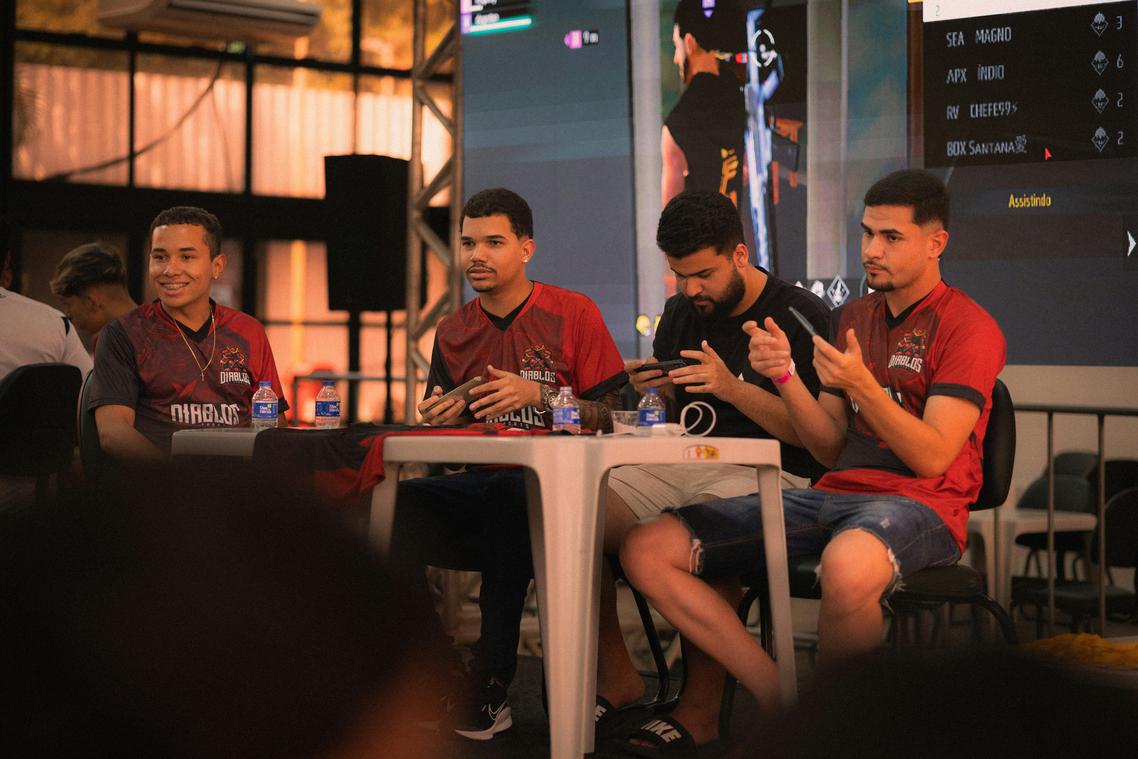
First, stop blaming mechanics. Yes, aim matters—but raw skill is overrated without reflection. When reviewing VODs (Video on Demand recordings of your gameplay), ask: Why did I die here? What information did I miss? Was there a better rotation available? In other words, treat each mistake like film study, not a highlight reel. Pro tip: write down recurring errors; patterns reveal more than single deaths.
Meanwhile, when watching pros, ignore the flashy eliminations. Instead, analyze positioning during low-action moments, resource conservation, and patient resets. That “boring” 30 seconds often wins championships (think Moneyball, but digital).
However, understanding the meta—the dominant strategies shaped by patches and player trends—requires reading patch notes critically. Buff doesn’t equal viable; nerf doesn’t equal dead. Cross-check with high-level match data before switching mains.
Finally, in team games, adopt a professional gamer practice routine: structured scrims, comms review, and honest post-match breakdowns focused on systems—not scapegoats.
Start with an anecdote about grinding through a weekend tournament with numb fingers and a stiff back. I learned the hard way that preventing injury is non-negotiable. Daily hand, wrist, and back stretches reduce repetitive strain injury (RSI)—tiny tissue damage from repeated motion (CDC).
Fuel matters. Balanced carbs, protein, and steady hydration sharpen reaction time and prevent sugar crashes that wreck focus (Harvard Health).
My professional gamer practice routine now includes:
- 5-minute box breathing resets after tilt
- Water every match queue
- Post-session mobility work
Composure is trainable; your climb depends on it. Longevity beats short bursts of glory. Always.
Your Path Forward: Building Your Elite Routine
You came here looking for a clear system—and now you have a complete blueprint to structure your practice like a pro instead of grinding without direction. The real obstacle was never your effort; it was the lack of deliberate structure inside those hours. A professional gamer practice routine blends mechanical reps, smart strategy review, and physical care to create measurable progress. That’s how plateaus get broken.
Don’t overhaul everything overnight. Start small. Add one focused practice block this week and commit to consistency. Build the structure, trust the process, and watch your performance rise.
 Carmenissa Martinezoc is the kind of writer who genuinely cannot publish something without checking it twice. Maybe three times. They came to civiliden multiplayer engine analysis through years of hands-on work rather than theory, which means the things they writes about — Civiliden Multiplayer Engine Analysis, Controller Setup Hacks, Core Gaming Mechanics and Tips, among other areas — are things they has actually tested, questioned, and revised opinions on more than once.
That shows in the work. Carmenissa's pieces tend to go a level deeper than most. Not in a way that becomes unreadable, but in a way that makes you realize you'd been missing something important. They has a habit of finding the detail that everybody else glosses over and making it the center of the story — which sounds simple, but takes a rare combination of curiosity and patience to pull off consistently. The writing never feels rushed. It feels like someone who sat with the subject long enough to actually understand it.
Outside of specific topics, what Carmenissa cares about most is whether the reader walks away with something useful. Not impressed. Not entertained. Useful. That's a harder bar to clear than it sounds, and they clears it more often than not — which is why readers tend to remember Carmenissa's articles long after they've forgotten the headline.
Carmenissa Martinezoc is the kind of writer who genuinely cannot publish something without checking it twice. Maybe three times. They came to civiliden multiplayer engine analysis through years of hands-on work rather than theory, which means the things they writes about — Civiliden Multiplayer Engine Analysis, Controller Setup Hacks, Core Gaming Mechanics and Tips, among other areas — are things they has actually tested, questioned, and revised opinions on more than once.
That shows in the work. Carmenissa's pieces tend to go a level deeper than most. Not in a way that becomes unreadable, but in a way that makes you realize you'd been missing something important. They has a habit of finding the detail that everybody else glosses over and making it the center of the story — which sounds simple, but takes a rare combination of curiosity and patience to pull off consistently. The writing never feels rushed. It feels like someone who sat with the subject long enough to actually understand it.
Outside of specific topics, what Carmenissa cares about most is whether the reader walks away with something useful. Not impressed. Not entertained. Useful. That's a harder bar to clear than it sounds, and they clears it more often than not — which is why readers tend to remember Carmenissa's articles long after they've forgotten the headline.