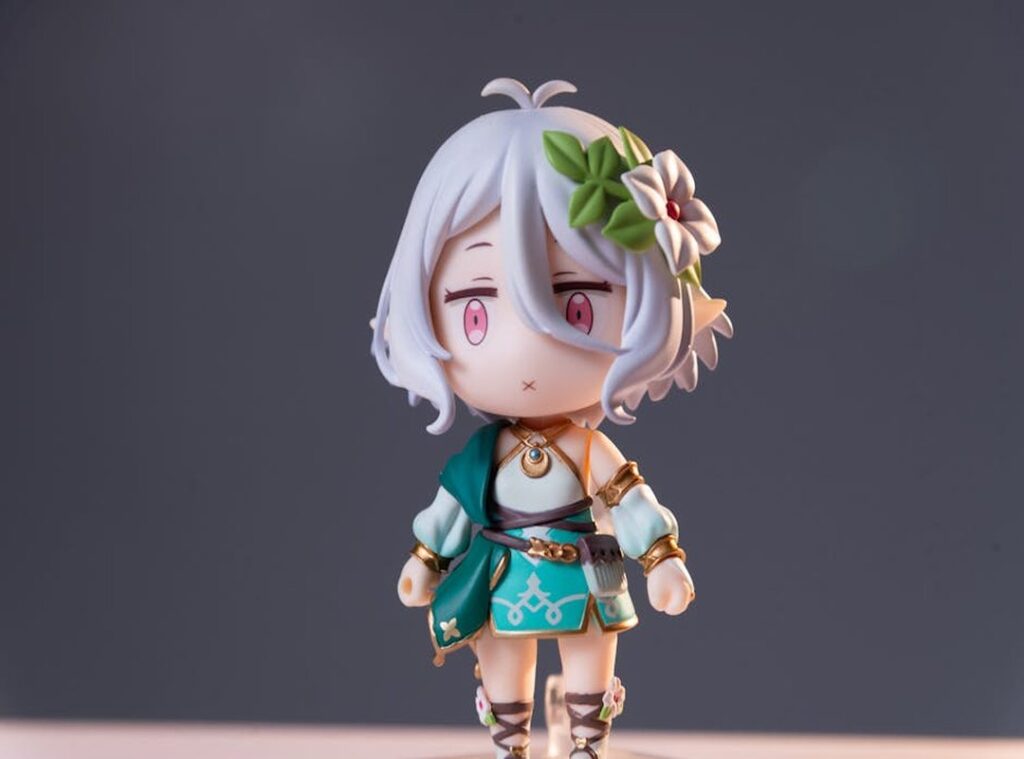
Drawing chibi kawaii characters can be a real challenge. Getting the proportions right, nailing those expressive faces, and making dynamic poses—yeah, it’s not easy. But hey, you’re here because you want to get better, right?
Good. I’m all about helping you master poses chibi kawaii bases de dibujo.
I’ve seen too many artists struggle with this. They end up with stiff, lifeless characters that just don’t pop. That’s why I’m sharing my expertise.
You’ll get detailed, step-by-step guidance and high-quality references.
Trust me, with the right tools and tips, you can create charming and lively chibi kawaii drawings. Let’s dive in.
Understanding Chibi Kawaii Style
Defining Chibi Kawaii: What makes this style unique and appealing? It’s all about the large heads, small bodies, and cute expressions. These elements create a charming, almost childlike appearance that’s hard to resist.
Key Elements: Proportions, facial features, and body language define the chibi kawaii aesthetic. Think big, round eyes, tiny noses, and exaggerated smiles. The body is often simplified, with minimal detail, focusing on the overall cuteness.
Historical Context: This style has its roots in Japanese manga and anime. Over time, it evolved into a distinct art form loved by artists and fans worldwide. It’s not just about drawing; it’s a way of expressing joy and playfulness.
So, what should you do if you want to try your hand at chibi kawaii? Start with simple poses chibi kawaii bases de dibujo. They provide a great foundation for beginners.
Practice the proportions and expressions, and don’t be afraid to experiment.
Remember, the key is to have fun and let your creativity flow.
Essential Tools and Materials
When it comes to traditional tools, pencils, erasers, sketchbooks, and markers are your go-to. They’re simple but effective.
For digital artists, tablets, styluses, and software like Procreate or Clip Studio Paint are essential. These tools can really elevate your work.
Reference materials are a must. Knowing where to find and how to use reference images and pose libraries can make a huge difference.
If you’re into chibi kawaii styles, poses chibi kawaii bases de dibujo can be incredibly helpful. They give you a solid starting point for those cute, exaggerated characters.
Pro tip: Always keep your references organized. It saves time and helps you stay focused.
Basic Chibi Kawaii Proportions
When it comes to chibi kawaii, the head-to-body ratio is key. Typically, you’ll see a 2:1 or 3:1 head-to-body ratio for these characters. This makes them look adorably oversized and childlike.
Eyes, nose, and mouth placement are crucial. Place the eyes big and round, often taking up a significant portion of the face. The nose and mouth should be small and simple, adding to the cuteness.
Simplifying the body is essential, and keep it minimalistic with fewer details. This helps maintain the chibi kawaii style, making the character look more endearing and less complex.
Poses chibi kawaii bases de dibujo can be a great starting point. They provide a solid foundation for creating dynamic and expressive chibi characters.
Remember, the goal is to keep it cute and simple. That’s what makes chibi kawaii so appealing.
Creating Dynamic Poses

Drawing chibi characters in motion? It’s like trying to catch a squirrel on Red Bull. But hey, it’s all about the fun, right?
Action Poses: How do you make those little chibis look like they’re running, jumping, or dancing? Start with the basics. Think about the direction and flow of their movement.
If they’re running, lean them forward, and jumping? Add some exaggerated limbs.
Dancing, and just let loose and go wild. (Remember, if it looks like they’re having a seizure, you might be on the right track.)
Emotional Poses: Capturing different emotions through body language and facial expressions is key. A happy chibi might have big, sparkly eyes and a wide, toothy grin. A sad one?
Droopy eyes and a frown. And don’t forget the poses chibi kawaii bases de dibujo—they can really bring out the emotion.
Interaction Poses: Drawing chibi characters interacting with each other or objects can add a lot of life to your art. Maybe they’re high-fiving, sharing a secret, or even fighting over a toy. The key is to show how they relate to each other and their environment.
And if you ever need a break from chibi drawing, why not check out how the civiliden multiplayer engine handles large scale battles? It’s a whole different kind of dynamic, but equally fascinating.
Finding References
Finding the right references for chibi kawaii poses is crucial. You can start with online databases, books, and tutorials. These resources are packed with a variety of poses that can inspire your artwork.
Adapting References
Once you have your references, it’s time to adapt them. Modify and customize the poses to fit your character’s style and personality. This step is key to making your art unique and expressive.
Practicing with References
Consistent practice is how you improve. Set aside regular time to work on different poses. Try to incorporate new elements each session.
This keeps your skills sharp and your creativity flowing.
Using poses chibi kawaii bases de dibujo can be a great starting point. They provide a solid foundation, but don’t be afraid to add your own twist. Experiment with different expressions and movements to bring your characters to life.
Remember, the goal is to make the poses your own. Don’t just copy; innovate. This way, your art stands out and feels personal.
Adding Details and Finishing Touches
Clothing and Accessories: Designing and adding outfits and accessories to enhance the character’s look. Think of it as dressing up a doll, but with your own unique style. It’s all about making your chibi kawaii character stand out.
Backgrounds and Scenes: Creating simple yet effective backgrounds to complement your chibi kawaii characters. You don’t need to go overboard. A few well-placed elements can make a big difference.
Coloring and Shading: Techniques for adding color and depth to your drawings. This is where your character really comes to life. Use soft, pastel colors for a gentle, kawaii feel.
Poses chibi kawaii bases de dibujo can help you get started. They provide a foundation, so you can focus on the details. Don’t be afraid to experiment.
Remember, the key is to keep it simple and fun. You want your character to be cute and charming, not overly complicated.
Perfecting Your Chibi Kawaii Drawings
poses chibi kawaii bases de dibujo are crucial for creating dynamic and expressive characters. They help in adding life and movement to your drawings. By following the steps and tips provided, you can master the art of chibi kawaii drawing.
Continuous practice and experimentation will help you develop your unique style. Keep bringing your chibi kawaii characters to life with creativity and passion.