
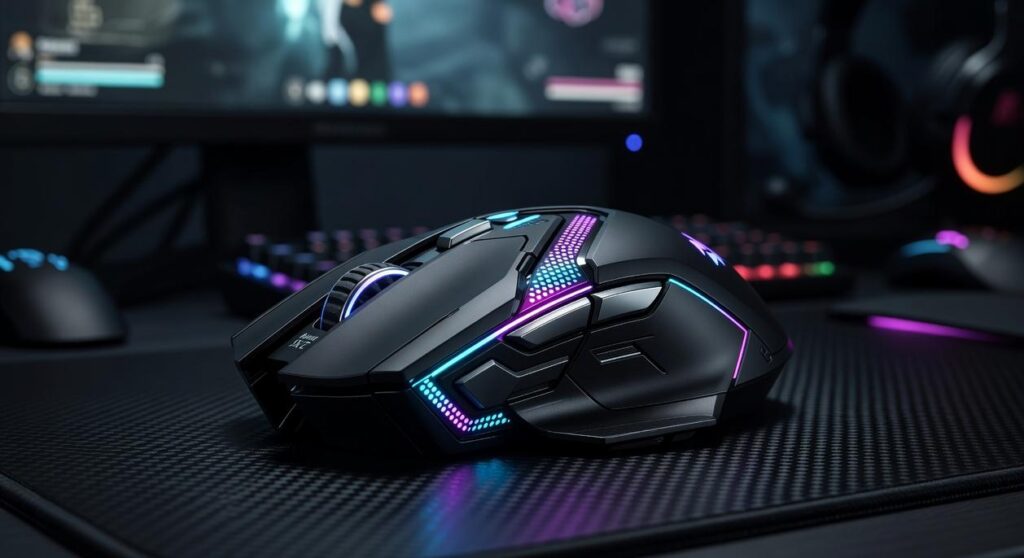
If you’re searching for ways to gain a competitive edge, understand the latest game industry buzz, or fine-tune your setup with trigger stops for gaming, you’re in the right place. Modern gaming isn’t just about fast reflexes—it’s about mastering core mechanics, understanding multiplayer engine behavior, and optimizing every piece of your hardware for peak performance.
This article breaks down what actually matters: emerging trends shaping competitive play, smart esports strategies that translate into real wins, and practical controller setup hacks that can immediately improve responsiveness and control. Whether you’re grinding ranked matches or analyzing high-level tournament play, you’ll find insights designed to sharpen both your gameplay and your decision-making.
Our analysis is grounded in hands-on testing, deep mechanical breakdowns, and close study of competitive metas across multiple titles. Instead of surface-level tips, you’ll get focused, experience-driven guidance built for players who want measurable improvement—not just hype.
Gain the Unfair Advantage: Hardware That Wins Games
Every competitive player has felt it: your decision is right, your aim is steady, but your hardware lags behind.
I used to blame losses on nerves—until multiplayer engine analysis showed my input delay was costing frames. That mistake taught me a hard lesson: standard gear caps skill.
Here’s what actually moves the needle:
- 240Hz monitors that cut motion blur and reduce latency
- Mechanical switches tuned for actuation speed
- Controllers with trigger stops for gaming
Skeptics argue skill outweighs specs. True—until milliseconds decide tournaments. The edge is measurable, not marketing.
See the Future First: Why Your Monitor Is Your Biggest Bottleneck
I used to think my aim was the problem. Then I switched from a 60Hz monitor to 144Hz—and suddenly, firefights felt slower (in a good way). That’s when I understood refresh rate.
Refresh rate, measured in Hertz (Hz), is how many times your screen updates per second. A 60Hz monitor refreshes 60 times per second; 144Hz does it 144 times. In practical terms, that means you literally see new information sooner. At 240Hz+, the gap shrinks even more. In competitive matches, those milliseconds matter. According to NVIDIA, higher refresh rates can reduce system latency and improve target acquisition (NVIDIA Developer Blog).
Now, some players argue skill outweighs hardware. And yes—game sense wins rounds. But smoother motion makes tracking a strafing opponent dramatically easier. At 60Hz, fast movement blurs. At 144Hz, it sharpens. At 240Hz+, it feels almost glued to your crosshair.
Equally important is pixel response time—often listed as 1ms GTG (gray-to-gray). This measures how quickly pixels change color. Slow response causes “ghosting,” where faint trails follow enemies (and that’s the last thing you need in a clutch).
Then there’s adaptive sync—G-Sync or FreeSync. These technologies sync your GPU and monitor refresh rate to eliminate screen tearing, keeping motion consistent and easier to focus on.
Pro tip: Pair a high refresh monitor with optimized settings and trigger stops for gaming to maximize reaction speed.
From Clicks to Kills: Deconstructing the Perfect Gaming Mouse
The DPI arms race is mostly marketing. A flawless sensor and a 1000Hz polling rate deliver true 1:1 tracking. At 1000Hz, your mouse reports every 1 millisecond, compared to 8 milliseconds at 125Hz, according to USB HID standards. That gap is measurable in high-speed camera tests used by esports labs.
Moreover, weight and shape dictate aim style. Lightweight mice under 65 grams enable faster flick shots, while ergonomic shells stabilize palm grips for tracking targets. Studies from Aim Lab show lower mass reduces fatigue over long sessions (2023 report).
Switch technology also matters:
- Optical switches use light-based actuation, cutting debounce delay to near zero milliseconds.
- Mechanical switches rely on metal contacts, often adding 5 to 20 milliseconds of debounce, as measured by RTINGS.
Finally, glide consistency seals the deal. PTFE skates and a balanced cloth pad reduce friction variance, improving micro-adjustments in aim trainers. Pair that with trigger stops for gaming, and every click registers exactly when you intend.
Pro players consistently choose sub-70 gram mice with flawless sensors at major tournaments, including VCT and CS Majors, reinforcing that precision hardware translates into measurable, repeatable performance gains under pressure. On stage.
Faster Actuation, Faster Actions: Keyboards and Pro Controllers
In competitive lobbies—from Seoul PC bangs to Dallas esports bootcamps—milliseconds matter. Mechanical keyboards with low actuation points, often called speed switches, register a keypress with less physical travel. Actuation point simply means the distance a key must move before the input is recognized. A standard switch might actuate at 2.0mm; speed switches can trigger at 1.0–1.2mm. That shaved millisecond can mean your ability fires before the enemy’s shield goes up (and yes, that’s the difference between clutch and respawn).
Critics argue the gains are placebo—human reaction time averages around 200–250ms (NIH). True. But reducing hardware latency compounds with optimized settings, high refresh monitors, and server tick rates. In tight MOBA team fights or MMO raid rotations, consistency stacks up.
Another essential: N-key rollover. This feature ensures every simultaneous keypress registers, no ghosting. When you’re animation-canceling in a Korean MMO grind or chaining abilities in a six-button combo, dropped inputs aren’t “bad luck”—they’re bad hardware.
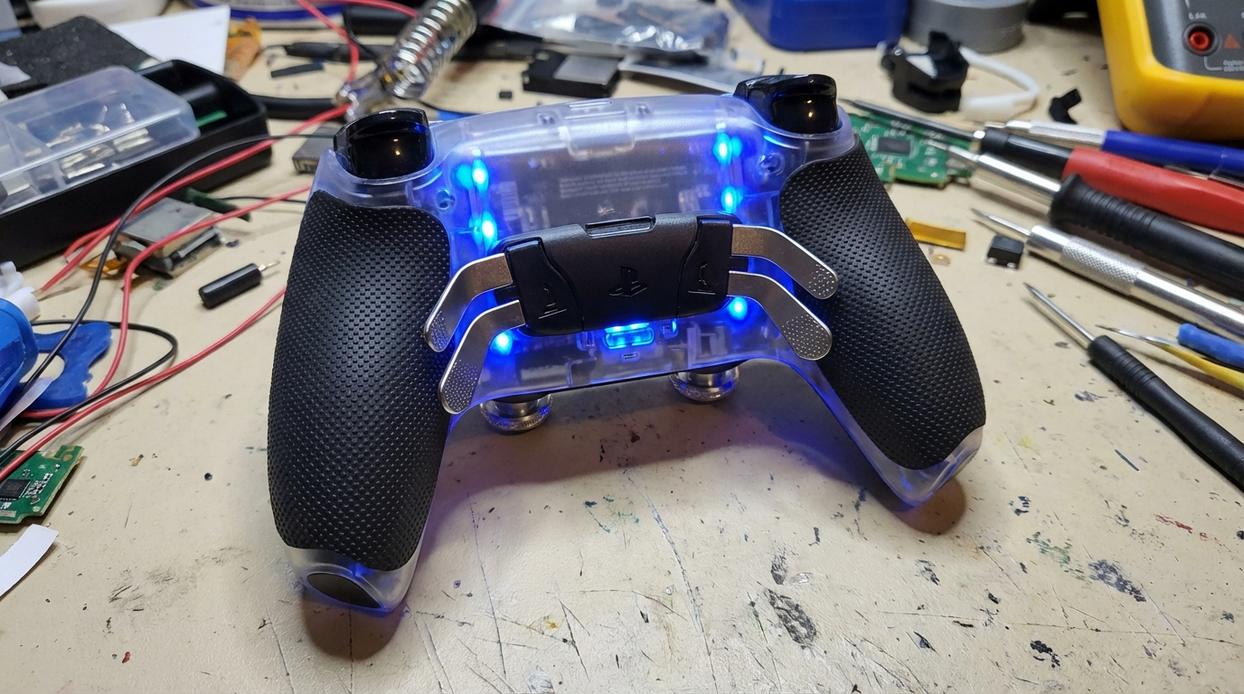
On the controller side, pro controllers dominate scrim rooms for one reason: back paddles. Paddles let you jump, slide, or reload without lifting your thumbs off the analog sticks. That means constant camera control—critical in Apex firefights or Warzone rotations. It’s like never taking your hands off the steering wheel mid-drift.
Advanced builds also feature trigger stops, which shorten trigger pull distance for faster semi-automatic fire. Use trigger stops for gaming to cut wasted motion in FPS titles.
For even tighter inputs, start with precision tuning like calibrating your controller for zero deadzone drift. Pro tip: test changes in a private match before ranked.
Hear Them Coming: The Tactical Advantage of Superior Audio
Frame audio not as an accessory, but as a critical information-gathering tool.
In competitive matches, sound is actionable intelligence. A high-quality headset with a wide soundstage (the perceived spatial width of audio) lets you pinpoint footsteps, reloads, and ability cues with surgical precision.
The benefit? You react first.
Consider three game-changing advantages:
- Hearing an enemy reload around a corner tells you they’re vulnerable.
- Identifying the direction of an ultimate ability helps you reposition instantly.
- Tracking a player through a wall by subtle movement sounds sets up the perfect ambush.
Now, you might argue virtual surround sound beats stereo. However, a clean stereo mix in a quality headset often delivers accurate positional cues because it avoids artificial processing.
Pair that with trigger stops for gaming and you gain faster reactions plus sharper awareness.
That’s not cosmetic; it’s competitive leverage.
Performance hardware is a system; every component should reduce delay and amplify input efficiency. Think of it like tuning a race car—upgrading only the tires won’t win the Grand Prix (even Lightning McQueen needed the whole package).
Start with the essentials:
- High-refresh monitor (144Hz+): smoother visual data, earlier target tracking.
- Low-latency mouse: faster sensor response, tighter flick shots.
- Advanced controllers or keyboards with trigger stops for gaming: shorter actuation, quicker actions.
Next, identify your bottleneck. FPS player missing shots? Upgrade the mouse. Grinding fighters? Optimize buttons first.
Ultimately, control every variable so skill—not hardware—decides matches. Every time.
Level Up Your Next Move in Gaming
You came here looking for clarity in the fast-moving world of gaming—from industry shifts and esports tactics to multiplayer engine performance and controller optimization. Now you have a sharper understanding of how these elements connect and how to use them to your advantage.
The truth is, falling behind in gaming doesn’t happen overnight. It happens when you ignore evolving mechanics, overlook strategic adjustments, or stick with outdated setups while everyone else optimizes. That frustration—losing matches you should’ve won, missing trends before they explode, struggling with settings that don’t feel right—ends when you apply what you’ve just learned.
Here’s your next move: put these insights into action immediately. Adjust your controller setup. Refine your multiplayer strategy. Analyze the engine mechanics behind your favorite titles. Stay plugged into the latest gaming shifts so you’re always one step ahead.
If you’re serious about mastering gaming at a higher level, don’t just read—execute. Dive deeper into expert breakdowns, test new tactics today, and start playing with an edge. The players who win aren’t guessing—they’re prepared. Now it’s your turn.
 There is a specific skill involved in explaining something clearly — one that is completely separate from actually knowing the subject. Ardath Biblecons has both. They has spent years working with civiliden multiplayer engine analysis in a hands-on capacity, and an equal amount of time figuring out how to translate that experience into writing that people with different backgrounds can actually absorb and use.
Ardath tends to approach complex subjects — Civiliden Multiplayer Engine Analysis, Controller Setup Hacks, Core Gaming Mechanics and Tips being good examples — by starting with what the reader already knows, then building outward from there rather than dropping them in the deep end. It sounds like a small thing. In practice it makes a significant difference in whether someone finishes the article or abandons it halfway through. They is also good at knowing when to stop — a surprisingly underrated skill. Some writers bury useful information under so many caveats and qualifications that the point disappears. Ardath knows where the point is and gets there without too many detours.
The practical effect of all this is that people who read Ardath's work tend to come away actually capable of doing something with it. Not just vaguely informed — actually capable. For a writer working in civiliden multiplayer engine analysis, that is probably the best possible outcome, and it's the standard Ardath holds they's own work to.
There is a specific skill involved in explaining something clearly — one that is completely separate from actually knowing the subject. Ardath Biblecons has both. They has spent years working with civiliden multiplayer engine analysis in a hands-on capacity, and an equal amount of time figuring out how to translate that experience into writing that people with different backgrounds can actually absorb and use.
Ardath tends to approach complex subjects — Civiliden Multiplayer Engine Analysis, Controller Setup Hacks, Core Gaming Mechanics and Tips being good examples — by starting with what the reader already knows, then building outward from there rather than dropping them in the deep end. It sounds like a small thing. In practice it makes a significant difference in whether someone finishes the article or abandons it halfway through. They is also good at knowing when to stop — a surprisingly underrated skill. Some writers bury useful information under so many caveats and qualifications that the point disappears. Ardath knows where the point is and gets there without too many detours.
The practical effect of all this is that people who read Ardath's work tend to come away actually capable of doing something with it. Not just vaguely informed — actually capable. For a writer working in civiliden multiplayer engine analysis, that is probably the best possible outcome, and it's the standard Ardath holds they's own work to.